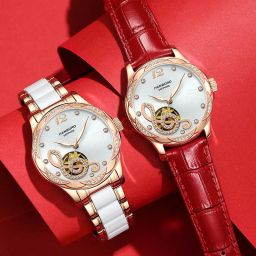
Buying your first mechanical watch is a milestone. Unlike quartz watches, which rely on batteries, mechanical timepieces are powered by intricate movements made up of dozens — sometimes hundreds — of tiny components working in harmony.
But with so many styles, sizes, and specifications available, knowing where to start can feel overwhelming. This guide breaks down the key factors to consider so you can choose a watch you’ll enjoy wearing for years to come.
Before diving into design, it helps to know the difference between the two main categories:
Manual (Hand-Wound)
You wind the watch by turning the crown regularly to keep it running. Many enthusiasts love the ritual and connection it creates.
Automatic (Self-Winding)
These watches wind themselves using a rotor that moves with your wrist throughout the day. They’re convenient and ideal for everyday wear.
👉 If you want simplicity, go automatic. If you enjoy tradition and interaction, manual could be perfect.
Your first mechanical watch should match how you plan to wear it. Consider where it will spend most of its time:
- Everyday / Casual: Versatile designs with clean dials and durable cases
- Sport / Active: Higher water resistance, robust construction, luminous hands
- Smart Casual / Dress: Slim profiles and more refined aesthetics
If you’re unsure, a versatile “go-anywhere” watch is often the best first choice.
…If you’re are unsure, a versatile “go-anywhere” watch is often the best first choice.
Comfort is crucial. Case size isn’t just about diameter — lug-to-lug length and thickness matter too.
General guidelines:
Smaller wrists: ~36–39mm
Medium wrists: ~39–41mm
Larger wrists: ~41–44mm
If possible, compare with a watch you already own or measure your wrist circumference. A well-proportioned watch should feel balanced, not bulky.


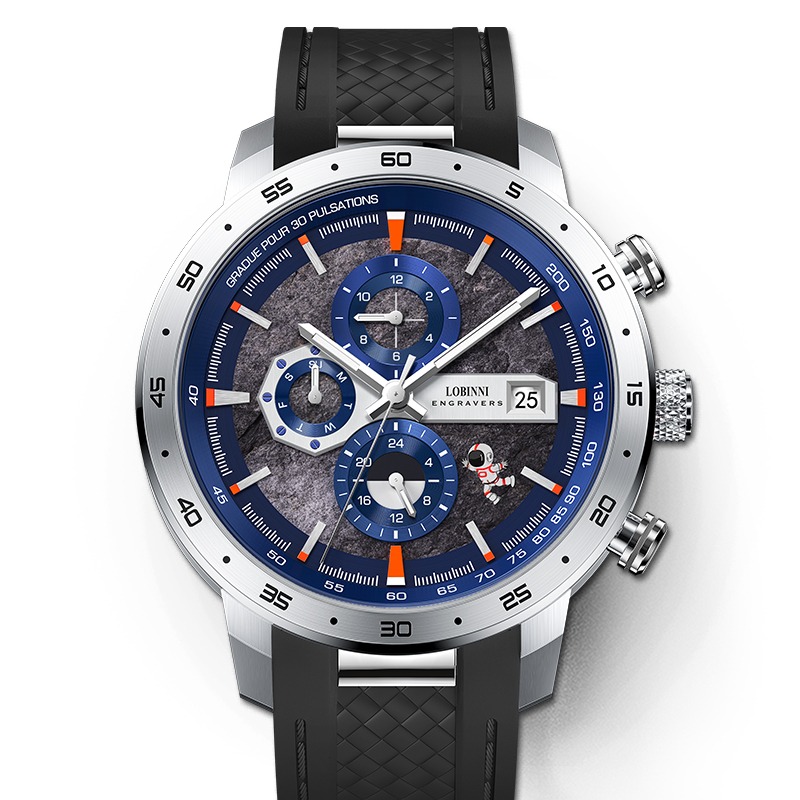
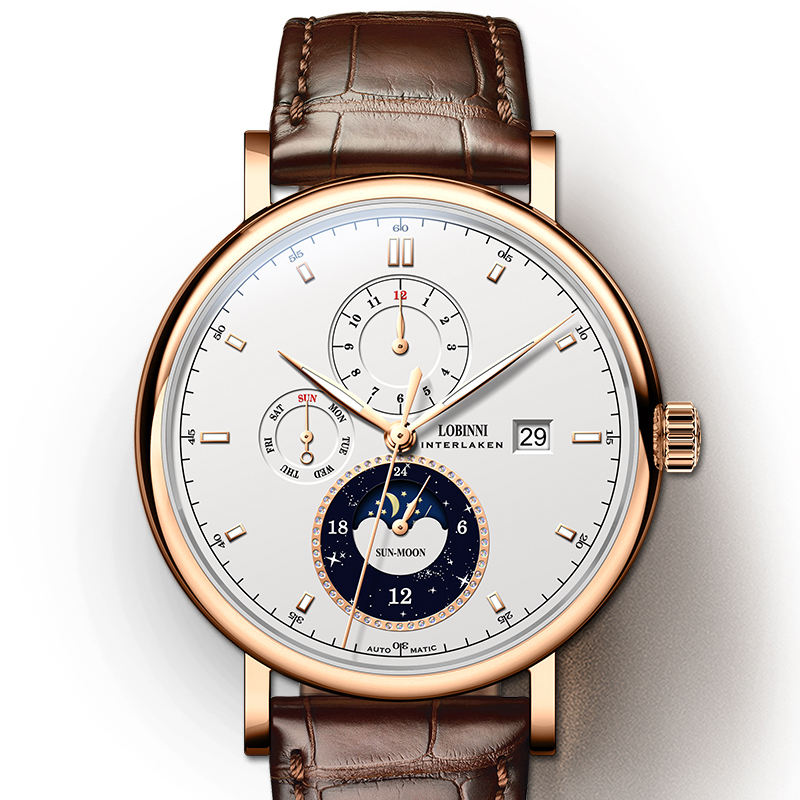

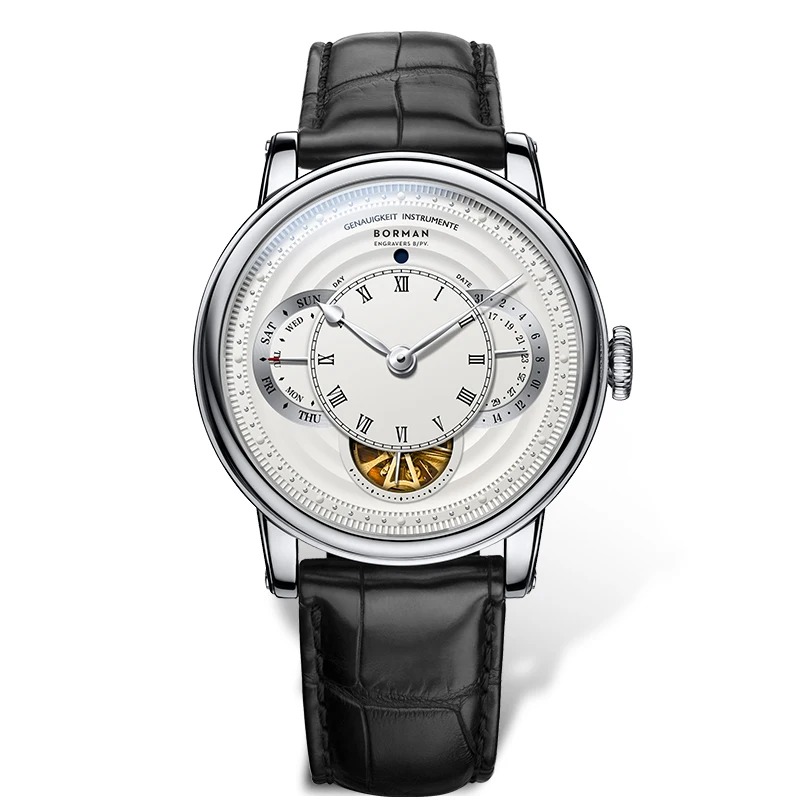


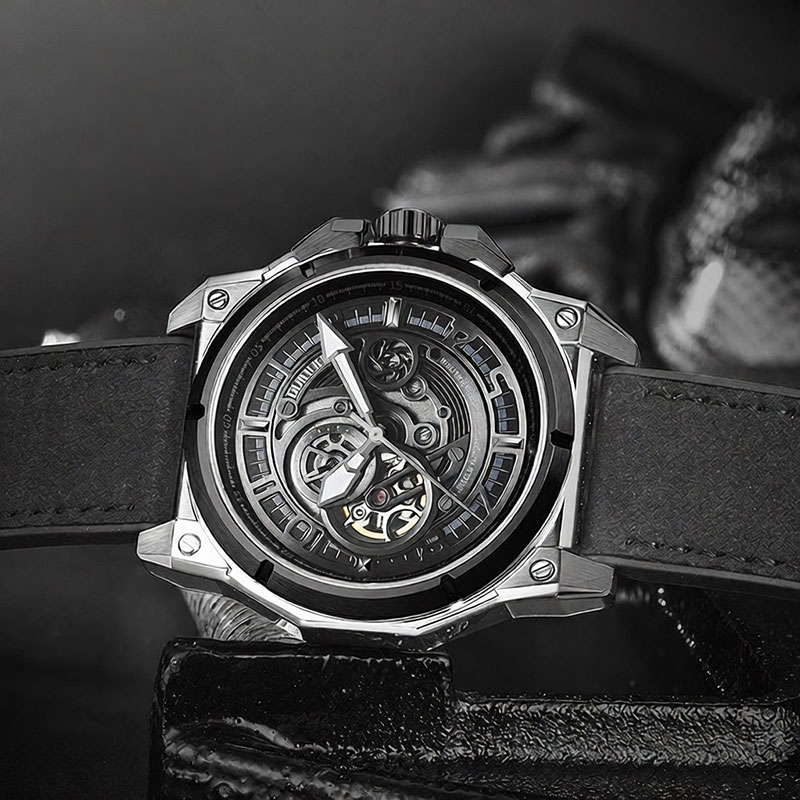
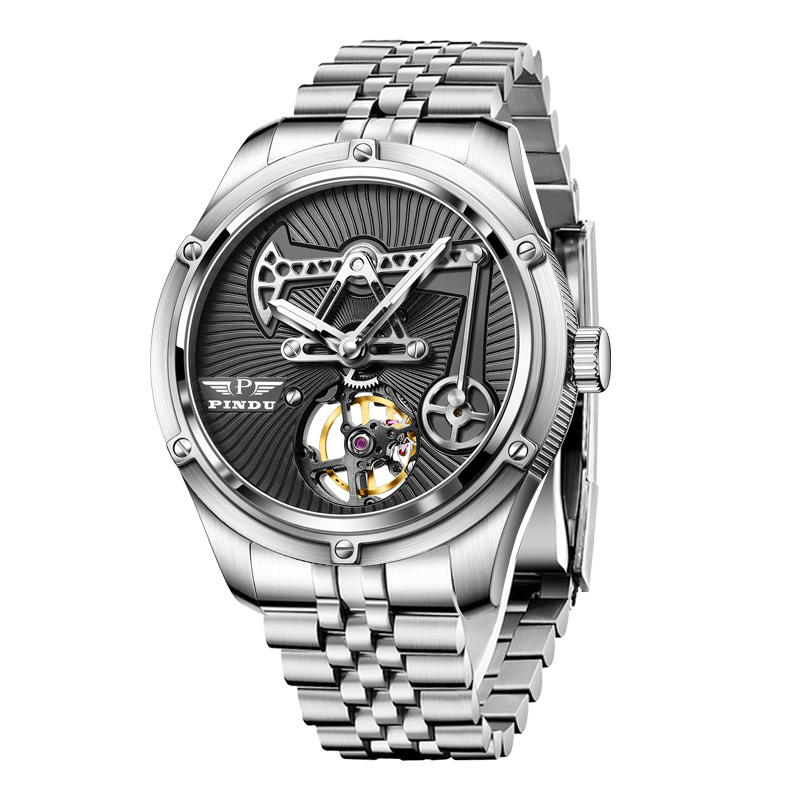
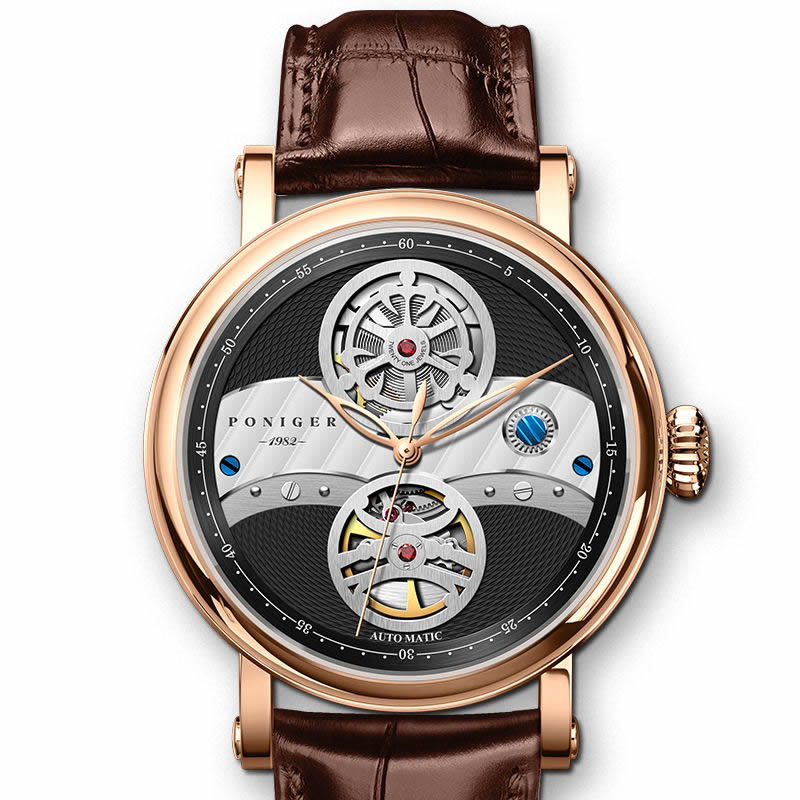


Even at entry-level prices, a good mechanical watch should feel solid and well finished. Look for:
Sapphire crystal for scratch resistance
Stainless steel case for durability
Reliable movement from reputable manufacturers
Good water resistance (at least 50–100m for everyday use)
These details greatly affect long-term satisfaction.
Your first mechanical watch will likely get the most wrist time, so versatility is key. Neutral dial colours, classic case shapes, and interchangeable straps can help the watch work across multiple outfits and occasions.
A watch that looks just as good with a T-shirt as it does with a shirt or jacket offers the best value.
Mechanical watches exist at nearly every price point. Decide what feels comfortable and focus on getting the best quality within that range rather than stretching for a brand name alone.
Remember to factor in occasional servicing every few years — part of owning a mechanical watch is maintaining it.
…Decide what feels comfortable and focus on getting the best quality.
Specifications matter, but emotional connection matters more. The best first mechanical watch is the one that makes you want to check the time just to admire it.
If a design resonates with you, that’s a strong sign you’ve found the right piece.
Choosing a size that’s too large for your wrist
Buying purely for brand recognition
Ignoring comfort and wearability
Overlooking how the watch fits your daily routine
Taking a little time to think through these factors can make all the difference.
A mechanical watch is more than a tool — it’s a small piece of engineering you carry with you every day. Your first one sets the tone for your journey into watch collecting, so it’s worth choosing carefully.
Focus on comfort, quality, and a design that feels authentic to you. Get those right, and your first mechanical watch won’t just tell the time — it’ll tell the start of your story as a watch enthusiast.
Ready to explore your first mechanical watch? Take your time, compare options, and enjoy the process — it’s all part of the experience.
Related Posts